
Gum Grafting in Winchester VA
What Is Gum Graft Surgery?
When recession of the gingiva occurs, the body loses a natural defense against both bacterial penetration and trauma. When gum recession is a problem, gum reconstruction using grafting techniques is an option.
When there is only minor recession, some healthy gingiva often remains and protects the tooth, so that no treatment other than modifying home care practices is necessary. However, when recession reaches the mucosa, the first line of defense against bacterial penetration is lost.
In addition, gum recession often results in root sensitivity to hot and cold foods as well as an unsightly appearance of the gum and tooth. When significant, gum recession can predispose to worsening recession and expose the root surface, which is softer than enamel, leading to root caries and root gouging.
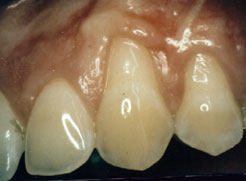
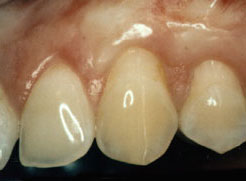
before and after gum grafting
A gingival graft is designed to solve these problems. A thin piece of tissue is taken from the roof of the mouth or gently moved over from adjacent areas to provide a stable band of attached gingiva around the tooth. The gingival graft may be placed in such a way as to cover the exposed portion of the root.
The gingival graft procedure is highly predictable and results in a stable, healthy band of attached tissue around the tooth.
Connective Tissue Grafting Photo Gallery
Gum Grafting FAQs
1. What is gum graft surgery?
Gum graft surgery, also called gingival grafting, is a periodontal procedure used to correct gum recession. A thin strip of tissue is taken either from the roof of your mouth or repositioned from nearby areas to create a stable band of attached gum around your tooth.
2. Why would I need gum grafting?
When gums recede too far, the body’s natural protective barrier is compromised. This exposes the softer root surface, which can lead to root decay, sensitivity to hot and cold, gouging, and an unattractive appearance. Gum grafting helps protect and restore these areas.
3. How does gum grafting help my oral health?
By rebuilding the gum line, gum grafting protects against bacterial penetration and trauma, reduces tooth sensitivity, prevents root decay, and improves the overall look of your smile.
4. How effective is gum grafting?
Gingival grafting is a highly predictable and effective procedure. It creates a strong, healthy band of gum tissue that stabilizes the tooth and supports long-term oral health.
5. What does the procedure involve?
A small piece of tissue is carefully taken from the palate or a nearby site and secured around the affected tooth to cover exposed roots or reinforce thin gums. This tissue heals and integrates naturally, strengthening the gum line.
6. What happens if I don’t treat gum recession?
Without treatment, gum recession can continue to progress. This increases the risk of sensitivity, root decay, and long-term damage that could compromise your teeth.
7. Are results visible after treatment?
Yes. Gum grafting can improve both the health and appearance of your gums. Before-and-after photos on our site show how the procedure restores a healthier, more attractive gum line.
8. Who provides gum grafting at Virginia Dental Implant Institute?
Dr. Jeff L. Dickson, DMD, MS, MS, and his team provide gum grafting with a focus on conservative, expert-led care. They recommend surgery only when necessary and are committed to patient comfort and long-term results.
Call with any questions or to make an appointment.
Virginia Dental Implant Institute Phone Number 540-662-6400 Appointments