
The Hidden Costs of Waiting Too Long to Replace Missing Teeth
 Many people assume that replacing a missing tooth is something that can wait. If the gap isn’t visible when they smile or if they’re still able to chew comfortably, it may not seem urgent. However, what many patients don’t realize is that delaying treatment can lead to additional oral health problems and more complex treatment needs down the road.
Missing Teeth Affect More Than Your Smile
When a tooth is lost, the effects extend beyond appearance. Every tooth plays an important role in supporting your bite and maintaining the health of your jawbone.
Without a tooth in place, neighboring teeth may begin to shift into the empty space. This can affect your bite, create areas that are harder to clean, and increase the risk of future dental problems.
Bone Loss Begins Soon After Tooth Loss
One of the biggest hidden consequences of missing teeth is bone loss.
Your jawbone relies on stimulation from tooth roots to maintain its strength and volume. When a tooth is removed and not replaced, the bone in that area begins to shrink over time.
This process can:
- Change the shape of your jaw and facial appearance
- Make future implant placement more challenging
- Increase the need for bone grafting procedures
- Reduce the number of treatment options available
The longer a tooth is missing, the more bone loss may occur.
Additional Teeth May Become Compromised
A missing tooth can place extra stress on the surrounding teeth. As neighboring teeth shift and opposing teeth move out of position, the balance of your bite can change.
Over time, this may contribute to:
- Uneven tooth wear
- Cracked or damaged teeth
- Increased risk of decay
- Difficulty chewing certain foods
What begins as the loss of a single tooth can sometimes affect the health of multiple teeth.
Delaying Treatment Can Increase Overall Costs
Many patients postpone treatment because they are concerned about the cost. Ironically, waiting often results in additional treatment needs that can increase the overall investment required.
For example, a patient who initially needs a single implant may later require:
- Bone grafting
- Additional extractions
- Treatment for gum disease
- More extensive restorative work
Addressing tooth loss sooner can often help preserve existing bone and surrounding teeth, potentially simplifying treatment.
Modern Dental Implants Offer a Long-Term Solution
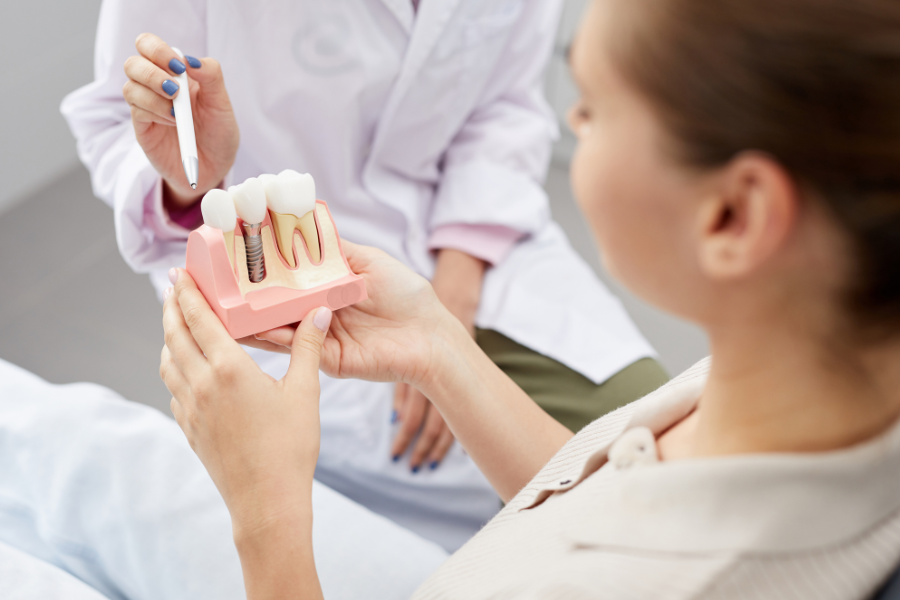
Dental implants are designed to replace both the visible portion of the tooth and the root beneath the gums. Because implants integrate with the jawbone, they help provide the stimulation needed to maintain bone health.
Benefits of dental implants include:
- Natural appearance and function
- Improved chewing ability
- Long-term durability
- Preservation of jawbone structure
- Stability without relying on neighboring teeth
Whether you’re missing one tooth, several teeth, or an entire arch, implant solutions can be customized to meet your needs.
The Best Time to Replace a Missing Tooth Is Usually Sooner Rather Than Later
Every patient’s situation is unique, but in many cases, early evaluation provides the greatest number of treatment options.
If you’ve been living with a missing tooth or have been told you may need an extraction, now is a great time to learn about your options before additional changes occur.
At Virginia Dental Implant Institute, Dr. Jeff Dickson and our team provide complimentary implant consultations and CBCT imaging for new implant patients. We can evaluate your oral health, discuss your goals, and help determine the best path forward for restoring your smile.
Don’t let a missing tooth become a bigger problem. Taking action today may help protect your smile for years to come.
Comments are closed.
