
Why Dental Work Fails — And Why Choosing the Right Specialist Matters
Why Dental Work Fails — And Why Choosing the Right Specialist Matters
 Dental treatment is designed to last for many years. Whether you have a dental implant, crown, bridge, or full-arch restoration, the expectation is stability and long-term success.
When dental work fails, it is rarely random. Most failures occur because underlying issues such as gum disease, bone loss, or improper surgical planning were not fully addressed.
If you are searching for answers about a failing dental implant or recurring gum problems, understanding the cause is the first step toward protecting your long-term oral health.
In many complex cases, proper diagnosis and correction require the advanced training of a periodontal and implant specialist.
Common Reasons Dental Work Fails
1. Gum Disease Was Not Fully Treated
Gum disease is one of the leading causes of dental implant failure. If periodontal infection is not completely treated before restorative work is placed, bacteria continue destroying bone beneath the surface.
Over time, this leads to inflammation, bone loss, and instability.
Without a healthy foundation, dental work will not last.
2. Bone Loss Was Not Properly Evaluated
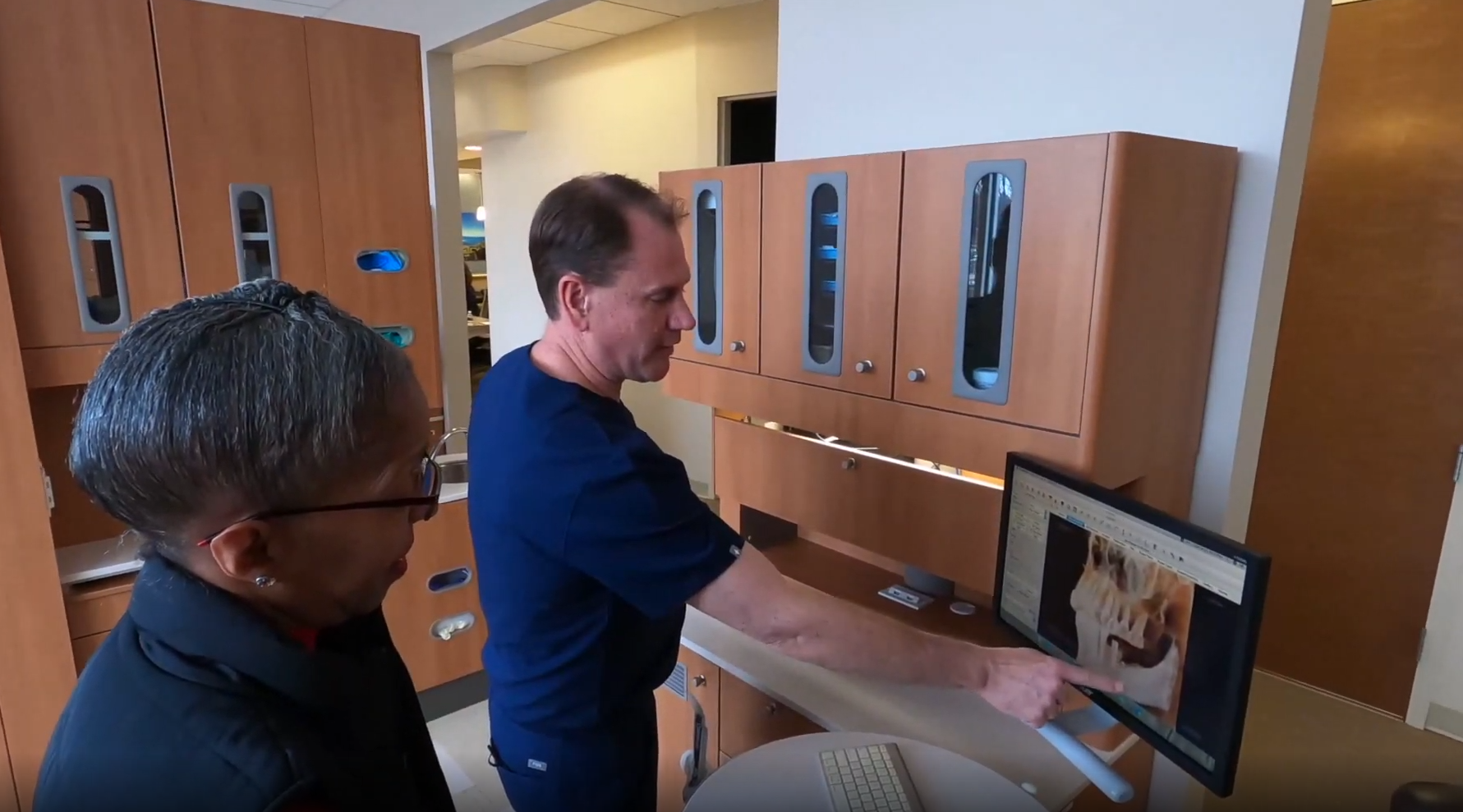
Dental implants require strong, stable bone support. Without advanced three-dimensional imaging and precise treatment planning, implants may be placed in compromised areas.
A CBCT scan allows a specialist to evaluate:
- Bone density
- Bone volume
- Nerve positioning
- Sinus anatomy
- Hidden infection
Without this level of diagnostic precision, long-term success is at risk.
3. Implant Placement Lacked Surgical Precision
Implants must be placed at the correct angle, depth, and spacing to function properly.
Improper positioning can lead to:
- Difficulty cleaning around the implant
- Excess pressure on surrounding bone
- Gum recession
- Peri-implantitis
- Mechanical complications
Implant placement is not simply restorative dentistry. It is a surgical procedure that requires advanced training and experience.
4. Complex Cases Were Not Managed by a Specialist
Patients with bone loss, advanced gum disease, medical conditions, or previous dental complications require focused surgical expertise.
These are not routine cases.
They require the skill and judgment of a specialist who treats these conditions every day.
Why Choosing a Periodontal and Implant Specialist Matters
Dr. Jeff Dickson is a certified periodontist with more than 15 years of experience serving patients in Winchester and the surrounding region.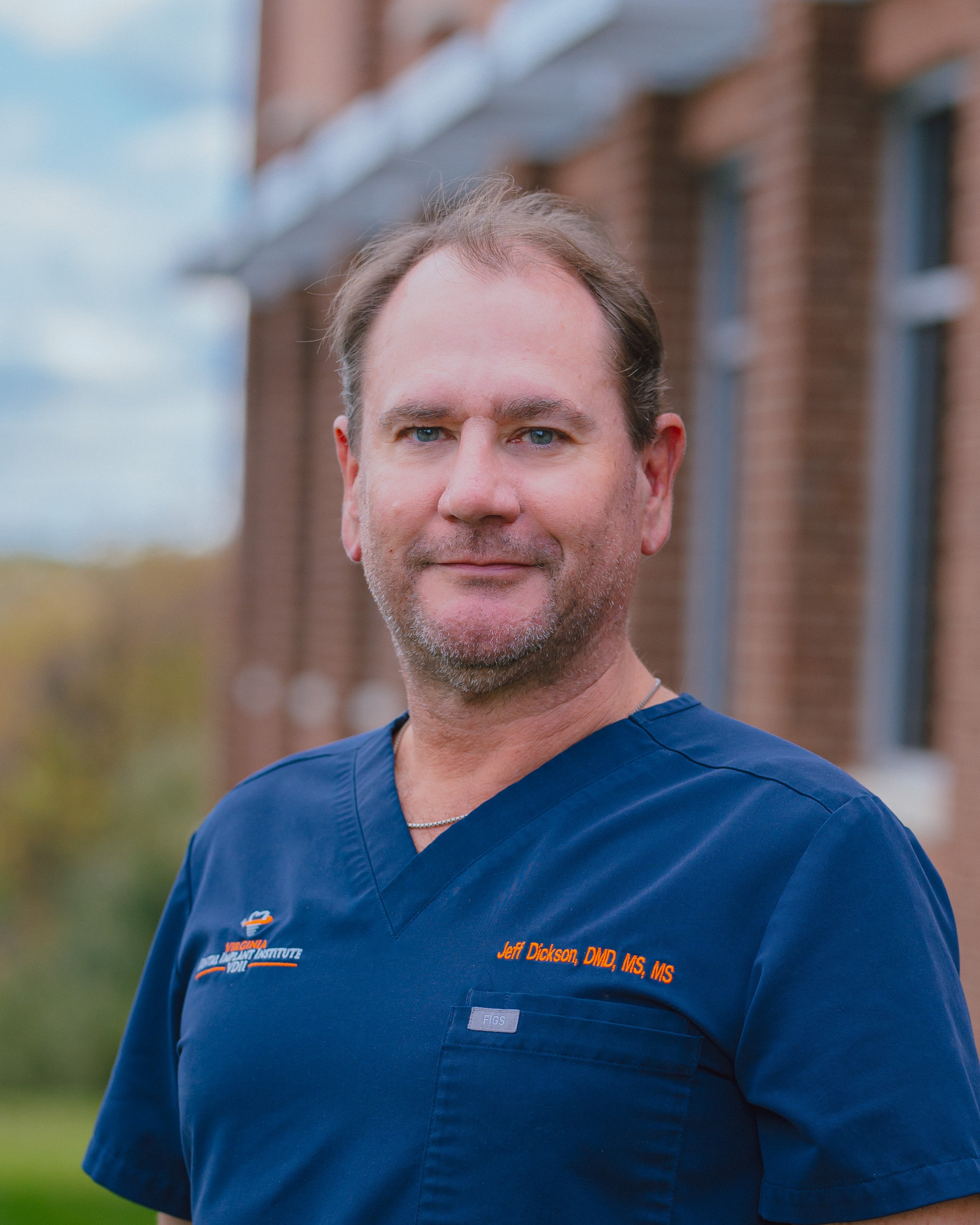
After dental school, he completed three additional years of advanced surgical training focused exclusively on:
- Gum disease treatment
- Bone regeneration
- Dental implant placement
- Soft tissue grafting
- Management of failing implants
His practice is dedicated solely to periodontal and implant care. He does not divide his time between general dentistry and specialty procedures.
Dentists throughout the area refer complex implant and periodontal cases to Dr. Dickson because of his precision, expertise, and long-term outcomes.
He has treated thousands of implant and periodontal cases in this region and is widely recognized as a leading authority in complex dental implant placement and gum disease treatment.
When it comes to protecting your bone health and restoring your smile, experience and specialization matter.
Why Experience Matters in Dental Implant and Gum Disease Treatment
Dental implants and advanced periodontal procedures are significant investments in your health and confidence.
Experience affects:
- Case selection
- Treatment sequencing
- Surgical technique
- Risk management
- Long-term stability
With more than 15 years of focused implant and periodontal experience, Dr. Dickson is recognized as a leading dental implant specialist in the Shenandoah Valley.
Patients trust his expertise. Referring dentists rely on his surgical precision. Long-term outcomes reflect that experience.
Signs Your Dental Work May Be Failing
If you notice any of the following, you should schedule an evaluation with a periodontist as soon as possible:
- Bleeding or swollen gums around an implant or crown
- Gum recession exposing implant threads
- Persistent bad taste or odor
- Implant movement or discomfort
- Recurring infection
Early diagnosis can often prevent more extensive treatment.
Schedule a Free Consultation With a Leading Specialist
If you are concerned about a failing dental implant, recurring gum infection, or previous dental work that does not feel stable, do not ignore it.
Virginia Dental Implant Institute offers a complimentary consultation that includes advanced CBCT imaging and a comprehensive evaluation. No referral is required.
Call 540-662-6400 to schedule your consultation.
When dental treatment is done correctly the first time, it lasts. Choosing a certified periodontist with extensive surgical experience can make the difference between repeated failure and long-term success.
Comments are closed.
